MOAI Journal · How-to
The paddle strokes every member should know
With four basic techniques and a bit of practice, you'll feel confident in a kayak before you know it.
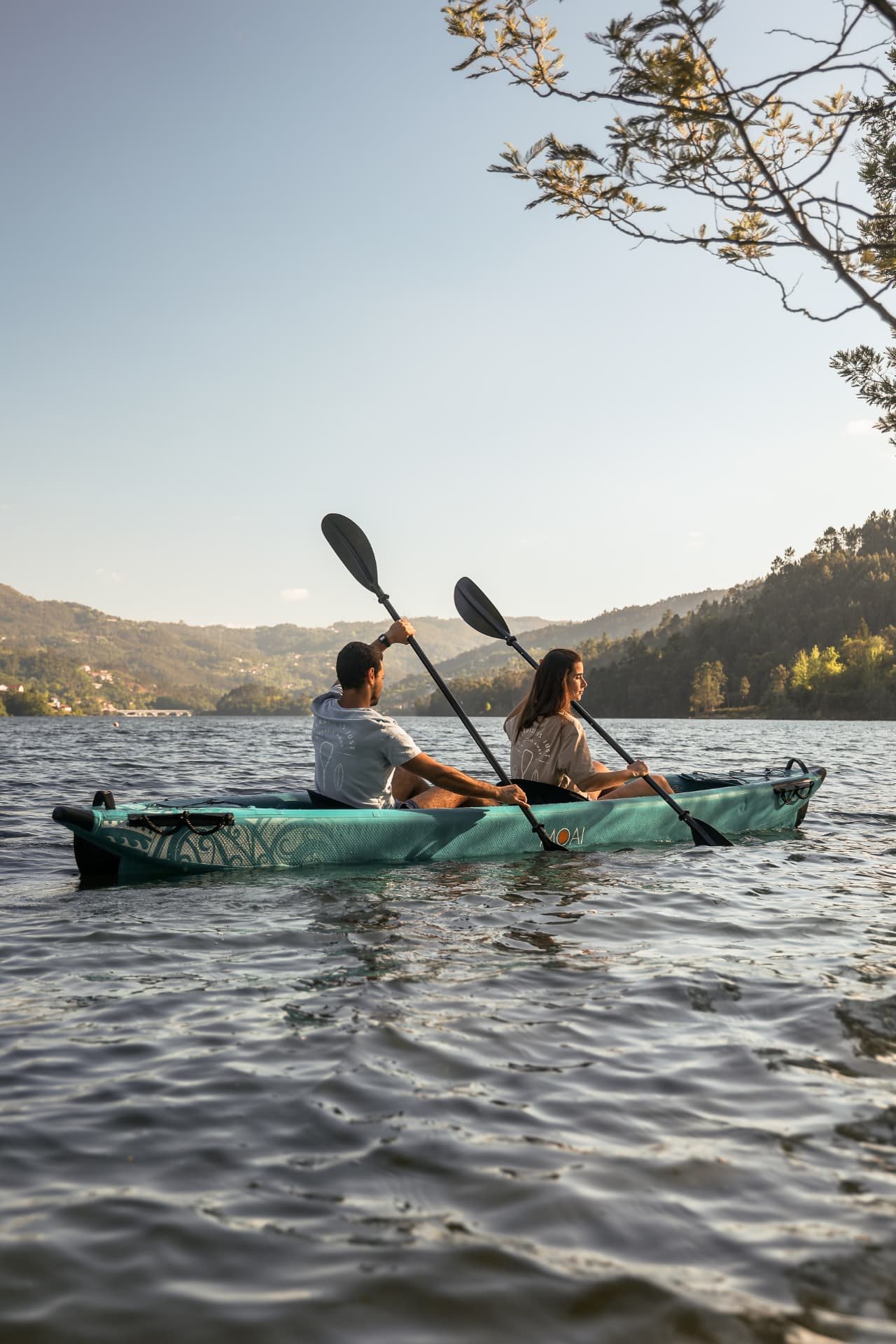
In short: the forward stroke, the sweep stroke, the reverse stroke and the draw stroke are the four basic techniques, and practice a capsize recovery drill before going out alone.
What is the forward stroke?
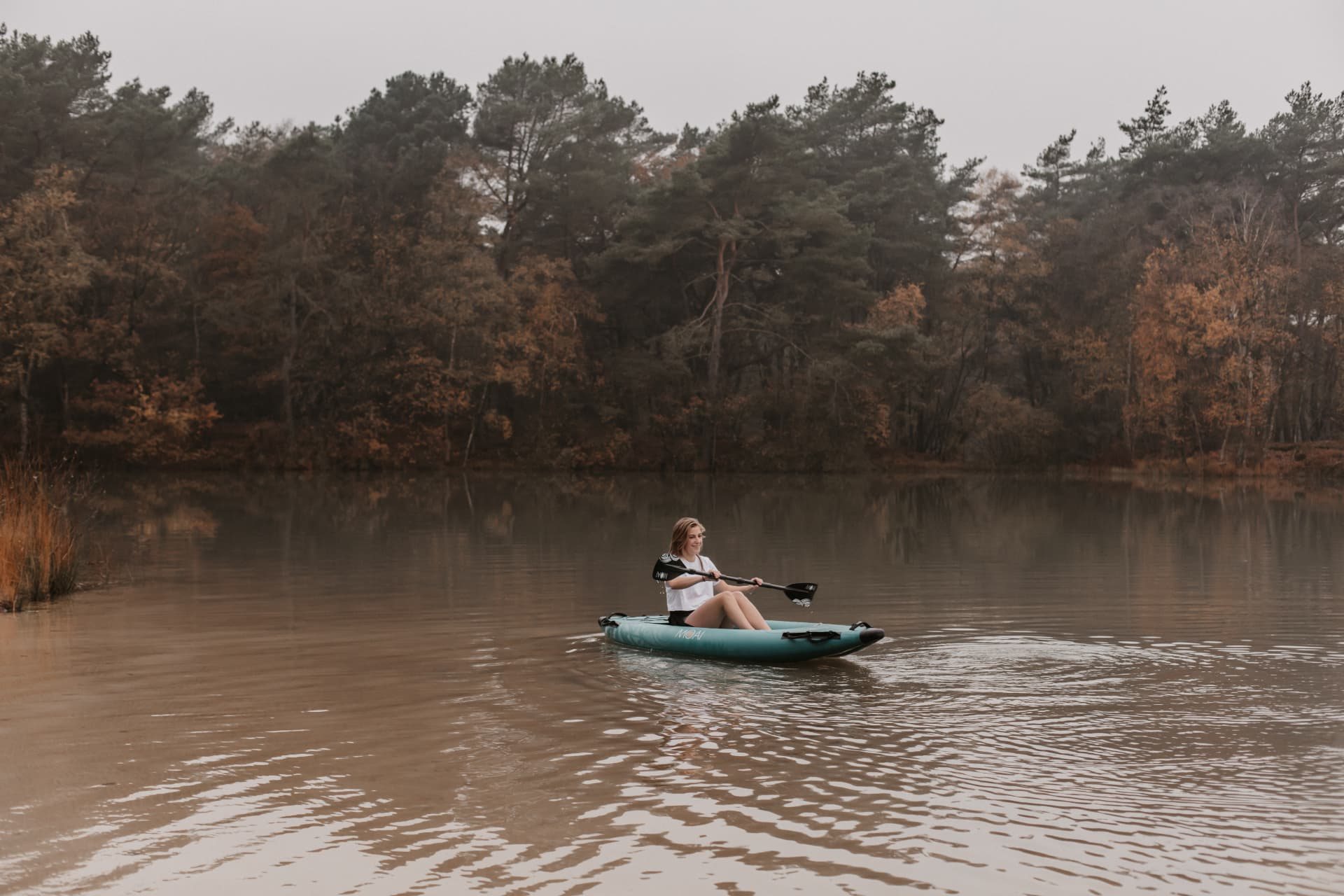
The forward stroke is your basic technique: place the blade in the water near your feet, pull it back alongside your hip, and alternate sides for a straight course. Practice this first on calm water, for example in the Kanaloa or Namaka.
What does the sweep stroke do?
The sweep stroke turns the kayak: make a wide arc with the blade from the bow to the stern. Handy for changing direction quickly without losing your position.
When do you use the reverse stroke?
Use the reverse stroke to slow down or paddle backward. It's the same movement as the forward stroke, just reversed, and useful for maneuvering close to a jetty.
What is the draw stroke, and when do you use it?
The draw stroke moves the kayak sideways, handy for getting close to a jetty or another kayak without turning. Place the blade parallel to the kayak and pull it toward you.
Which kayak is best for practicing these techniques?
Practice on the Kanaloa or Namaka for a stable, forgiving base. Want to paddle faster? The Malama is a logical next step once the basic techniques feel solid.
Practical takeaway
Four techniques, one stable kayak, and a practiced capsize recovery drill: that's the foundation that lets every member head out onto the water with confidence.